Stargazing on Dubai Desert Safaris – Night Sky & Astrophotography Tips
Enjoy stargazing on a Dubai desert safari: best times, how to escape camp lights, simple gear and photography tips for the night sky.
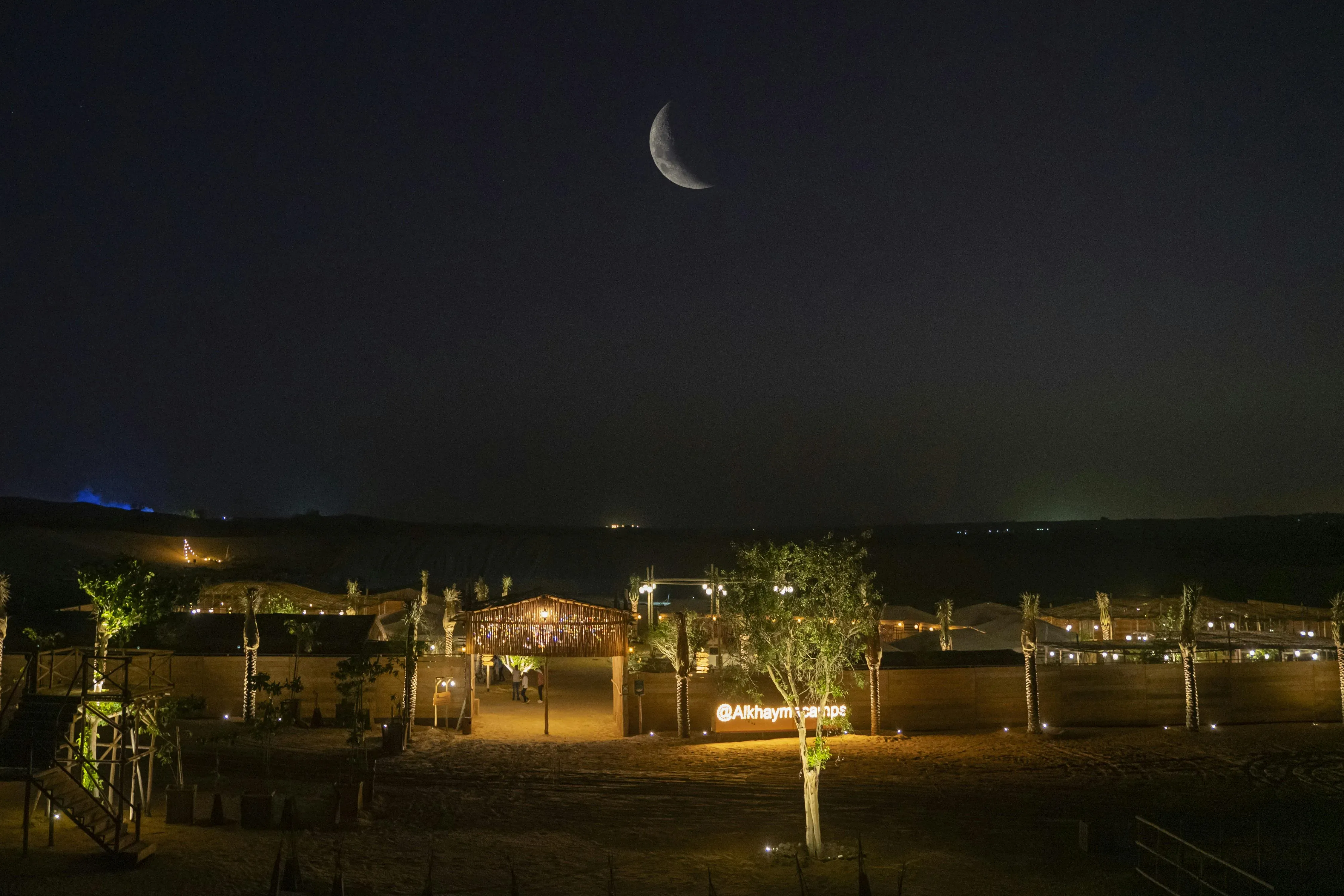
When the music fades and generators quiet down, the Dubai desert reveals a second show above your head: a dome of stars that city visitors rarely see.
Best types of safaris for stargazing
- Overnight safaris: the top choice, with hours of true darkness.
- Premium evening safaris: often have darker corners away from the main stage.
Ask operators:
- How far the camp is from the city.
- Whether they can reduce lights later in the night.
Simple gear for better night-sky viewing
- A light jacket – it can feel cooler when you stay still.
- A torch or phone light with red filter or low brightness.
- Optional: a star app to identify constellations.
For photos:
- A small tripod or clamp.
- Phone with night mode, or a camera with manual settings.
Escaping the brightest lights
- After shows end, walk a short distance from the central stage (with permission and within safe camp boundaries).
- Let your eyes adjust for 10–15 minutes.
- Avoid looking at bright screens while you adapt.
You will start to see more layers of stars appear.
What you might see
- Bright planets near the horizon at certain times of year.
- Constellations such as Orion in winter months.
- The band of the Milky Way on particularly clear, dark nights.
Clouds are rare, but occasional dust or humidity can soften visibility.
Stargazing etiquette
- Keep noise low so others can enjoy the silence.
- Use dim, downward-facing lights if you need to move.
- Stay within safe, agreed boundaries; do not wander into the open desert alone at night.
Final thoughts
Stargazing turns your desert safari from an evening event into a memory of stillness. After the last cup of tea, take a few quiet minutes to lie back, feel the cooling sand and watch the sky – it might become your favourite part of the whole experience.
저자 소개

Dubai Desert Expert
이 페이지는 처음 두바이 사막 사파리를 계획하는 한국인 여행자가, 불필요한 걱정 없이 준비할 수 있도록 돕기 위해 작성되었습니다. 특정 상품 홍보보다는, 솔직한 가이드북의 한 장처럼 읽히기를 바랍니다.
Tags
Comments (0)
Loading comments...