Tracks in the sand: stories behind Desert Safari Dubai
Follow the journey from camel caravans and Bedouin tents to 4x4 convoys, quad tours, and starlit camps.
Table of Contents
The desert before the city
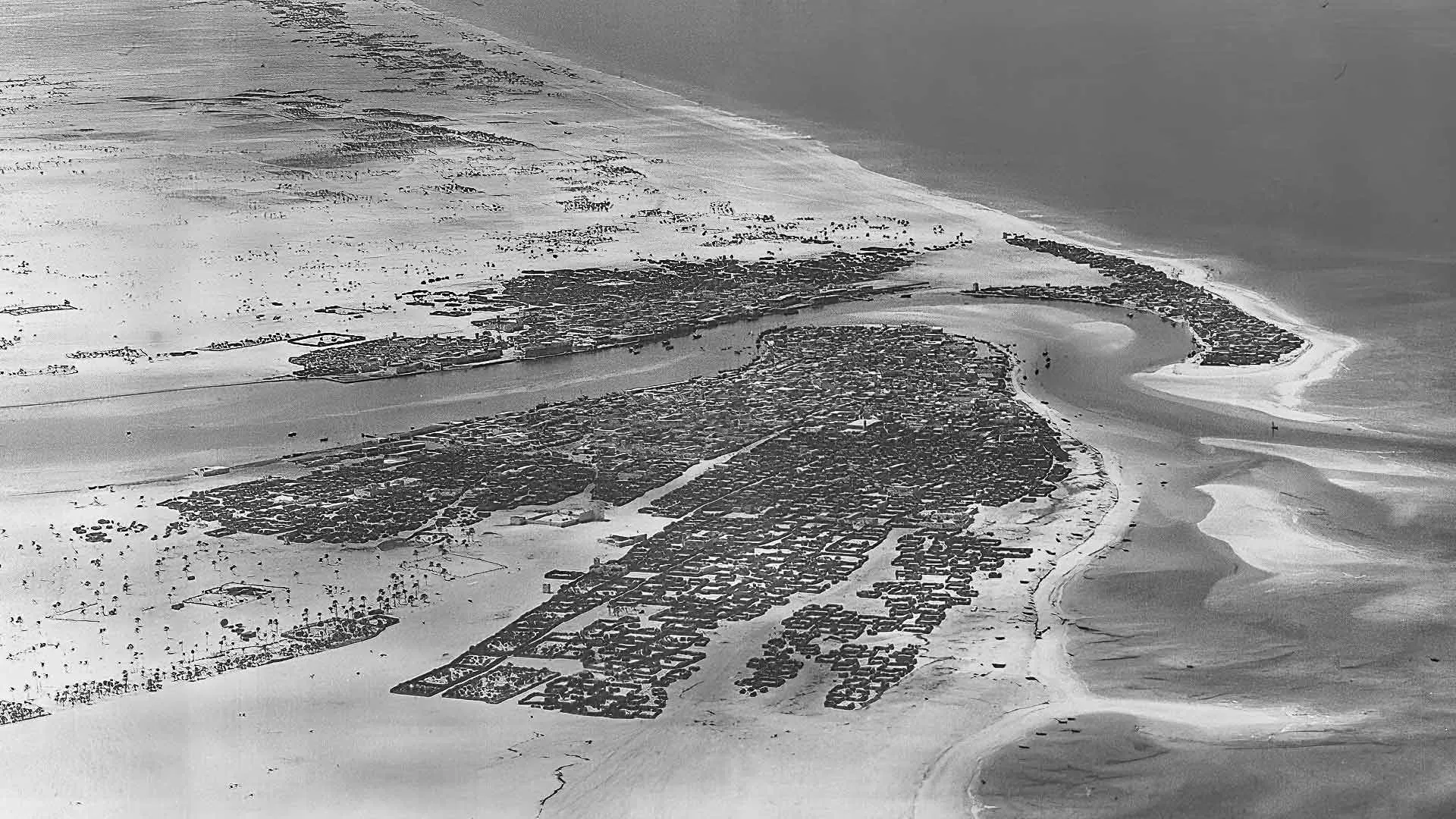
Long before glass towers rose along Sheikh Zayed Road, this region was an open tapestry of sand, scattered oases, and low desert shrubs. Temperatures were harsh, rain was rare, and survival depended on deep, practical knowledge of every dune and star.
For centuries, small communities moved with the seasons, following pasture for their animals and trading along caravan routes that threaded across the Gulf. The desert was not a blank space, but a lived‑in landscape filled with stories, tracks, and unwritten rules of hospitality.
Bedouin life and camel caravans
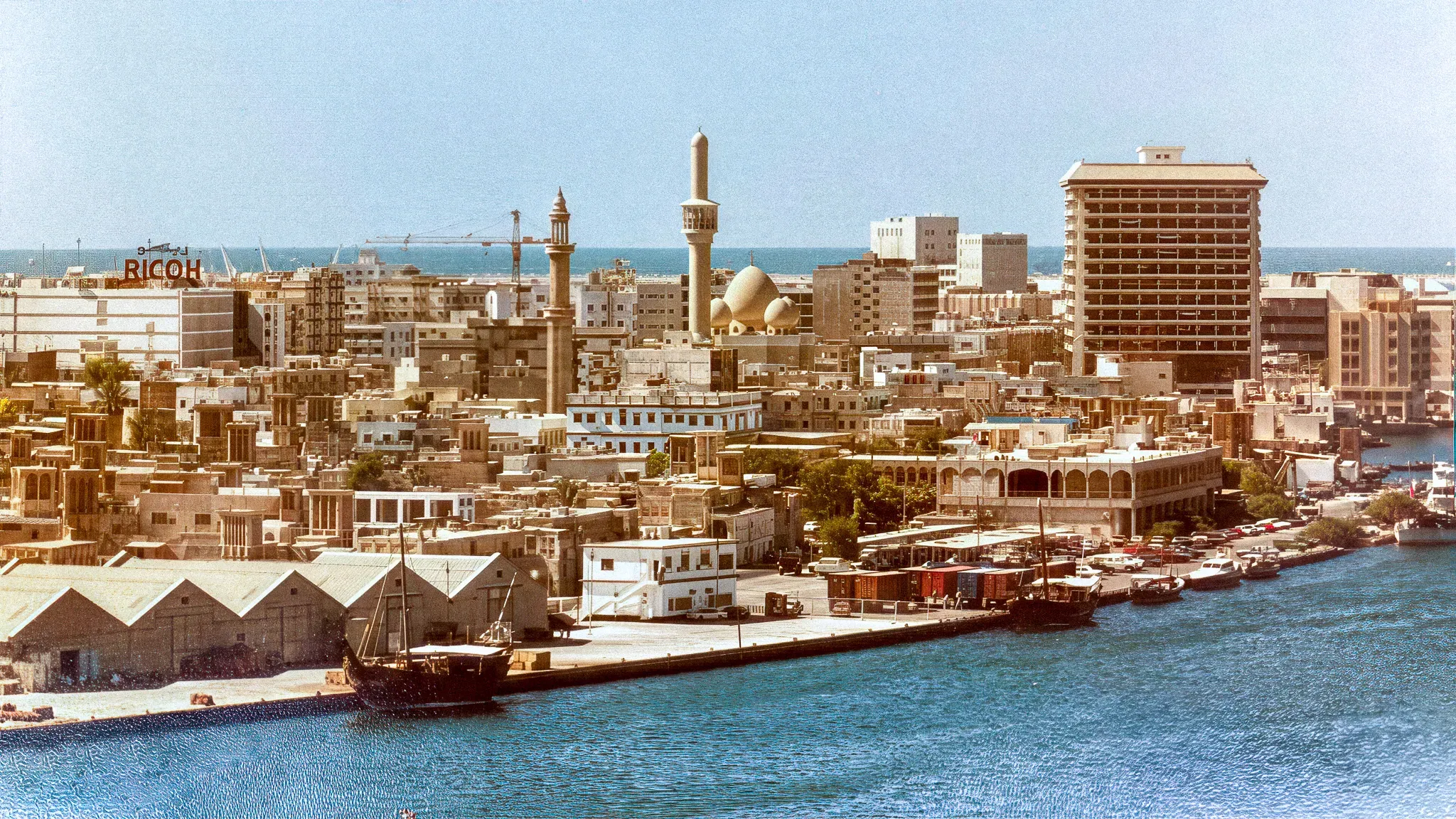
Bedouin families once relied on camels as lifelines: for transport, milk, and companionship in a landscape where distances were measured in days, not kilometers. Caravans crossed between inland settlements and coastal markets, carrying dates, spices, and woven goods.
Life followed the rhythms of sunrise and stars. Tents were simple but ingenious, made from goat hair that repelled rain and allowed breezes to pass. Around the fire, stories and poetry flowed — many of the values visitors hear about today, like generosity to guests and respect for the desert, grew directly from these lived experiences.
From pearl diving to oil and tourism
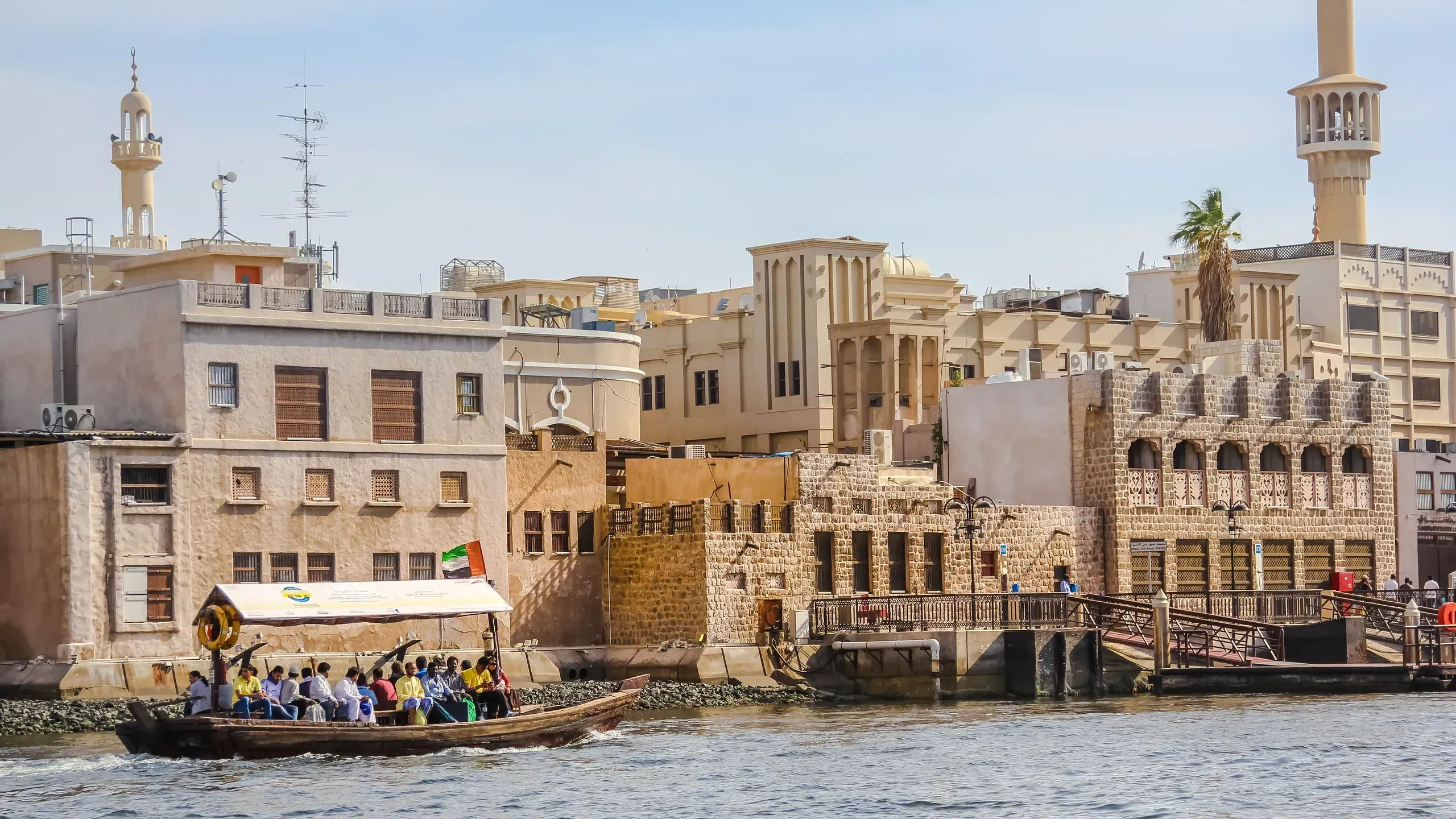
In the early 20th century, the region’s economy revolved around pearl diving, small‑scale trade, and subsistence herding. When cultured pearls and global changes disrupted the old patterns, communities faced a challenging transition.
The discovery of oil and the careful development of trade and aviation transformed Dubai’s skyline — and its relationship with the desert. What had once been a backdrop to daily survival slowly became a cherished escape from city life and, later, a highlight for visitors curious about what lies beyond the skyscrapers.
How modern desert safaris began
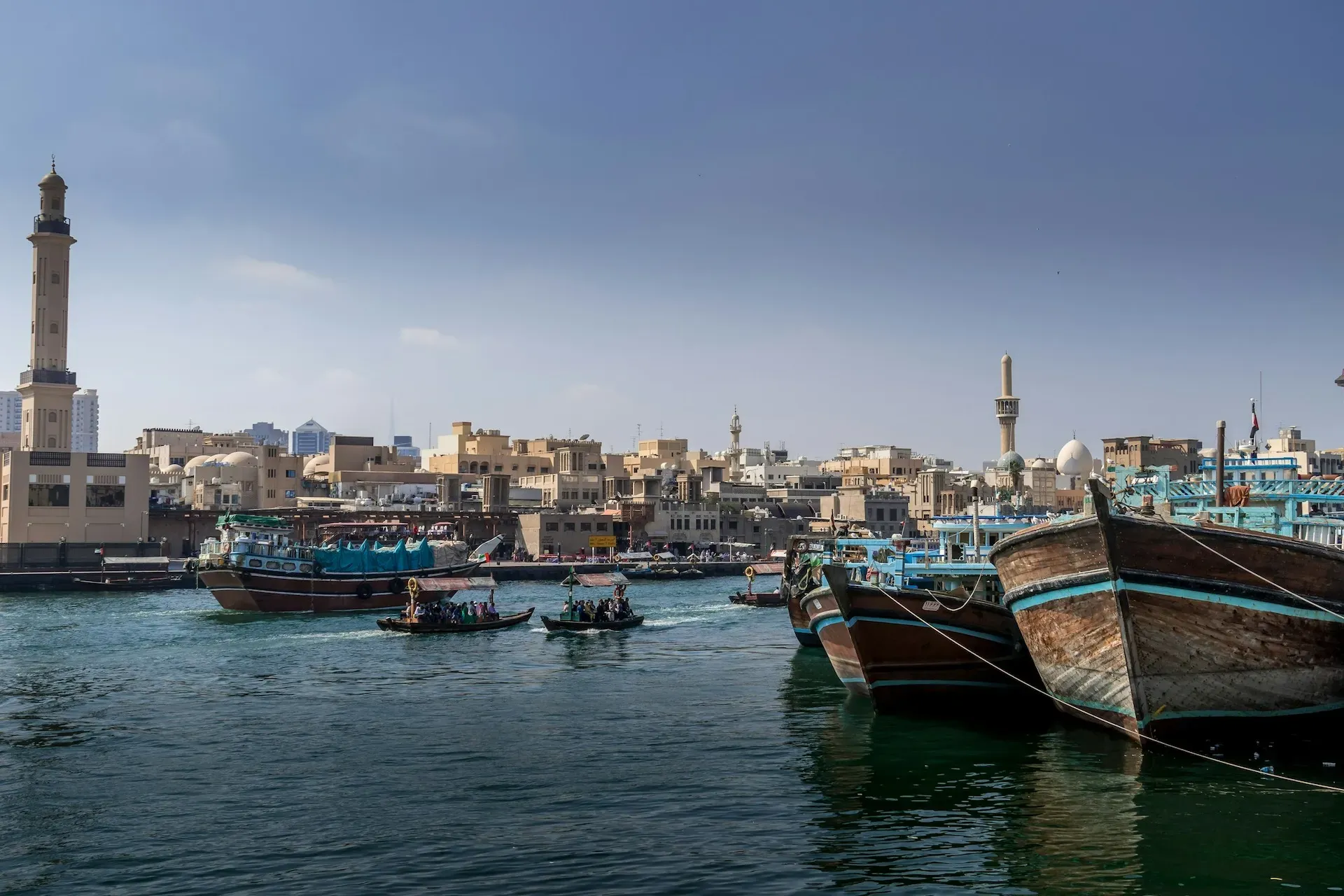
The first organized desert excursions in Dubai were modest affairs: a few 4x4s heading out for picnics, gentle drives, and simple sunsets on the dunes. As tourism grew, so did demand for guided trips that combined off‑road excitement with glimpses into Bedouin traditions.
Tour operators experimented with dune routes, safety standards, and camp setups. Over time, dune bashing became an art in itself — balancing thrill with control — and camps evolved into spaces where guests could taste Emirati‑inspired dishes, see traditional dances, and ride camels before returning to the city lights.
Camps, cuisine & cultural shows
Today’s desert camps are purpose‑built to welcome visitors while echoing elements of Bedouin hospitality. Low cushions and carpets, lantern‑lit walkways, and open‑air stages create a warm, informal atmosphere where strangers share long tables and stories.
Buffets often feature grilled meats, rice dishes, salads, and sweets inspired by regional flavors. Between courses, guests may watch traditional dance performances, falcon displays, or short storytelling moments about desert life — a blend of entertainment and cultural snapshots shaped for modern audiences.
Off‑road driving, quads & sand sports
Dune bashing and quad biking are the adrenaline‑rich side of Desert Safari Dubai. Behind each sweeping curve and sudden drop is a driver trained to read the sand, judge safe speeds, and keep vehicles balanced as they crest the ridges.
Alongside motorized thrills, gentler sand sports have emerged. Sandboarding lets visitors glide down slopes at their own pace, while fat‑tyre bikes or guided desert walks offer quieter ways to connect with the landscape. Together, they turn the dunes into a playground where safety briefings and responsible guiding are as important as the rush itself.
Wildlife, conservation & protected areas
Beneath the surface of the sand, the desert is alive. The Dubai desert is home to creatures such as the Arabian oryx, gazelles, foxes, and many bird species that have adapted to scarce water and extreme temperatures.
To protect this fragile environment, areas like the Dubai Desert Conservation Reserve limit vehicle routes, manage visitor numbers, and support reintroduction programs for threatened wildlife. Many eco‑focused safaris now emphasize quiet observation, nature drives, and education about how tourism can support long‑term conservation rather than strain it.
Safety, etiquette & respecting the desert
The desert is beautiful, but it demands respect. Professional operators maintain vehicles, train drivers, and monitor weather to avoid storms or dangerous heat. Guests are briefed on seatbelts, staying hydrated, and when to sit out an activity if they feel unwell.
Respect also extends to culture and environment: dressing modestly, asking before taking photos of people, keeping noise reasonable at night, and leaving no rubbish behind. A thoughtful visitor experiences the desert fully, then leaves it as untouched as possible for the next traveler — and for the wildlife that calls it home.
Popular routes: Lahbab, Al Marmoom & beyond
Many desert safaris head toward Lahbab, known for its striking red dunes and sweeping views, or to Al Marmoom, where gentler landscapes and wildlife drives are possible. Each area has its own character, from steep slopes built for high‑energy dune bashing to open plains better suited to camel treks and nature watching.
Some premium tours venture deeper into conservation areas with strict rules on where vehicles can drive. Others focus on easy access and shorter travel from the city. Understanding where your tour goes — and why — can help you choose the style of landscape and atmosphere that appeals most to you.
Tickets, operators & choosing a tour
With so many tour companies advertising desert safaris, it’s worth taking a little time to compare. Look for clear itineraries, safety information, photos of real vehicles and camps, and up‑to‑date guest reviews that mention punctuality, driving quality, and food.
Consider what matters most to you: small groups or budget prices, intense dune bashing or gentle drives, quad bikes or quieter wildlife spotting. Booking through reputable platforms or directly with established operators gives you more confidence that what’s promised matches what you’ll actually experience.
Sustainability, authenticity & the future
As Desert Safari Dubai has grown in popularity, questions of sustainability and authenticity have become more important. Responsible operators limit off‑track driving, reduce waste, and design camps with lower light and noise pollution so the desert night still feels dark and peaceful.
Some tours now emphasize storytelling from Emirati hosts, traditional crafts, and nature‑based experiences over purely staged entertainment. As visitors seek experiences that feel more genuine and less crowded, the future of the safari lies in balancing comfort, excitement, cultural respect, and environmental care.
Overnight safaris & stargazing
For those who want to go beyond a single evening, overnight safaris offer a deeper connection to the desert. After other guests depart, a quiet settles over the camp, and the sky fills with stars hidden behind city lights back in Dubai.
Simple tents or comfortable glamping setups provide a cozy place to sleep, often with sunrise coffee or tea before a gentle camel ride or nature walk. Waking up to cool morning air, soft light, and near‑silence is one of the most memorable ways to experience the desert’s softer side.
Why the Dubai desert matters
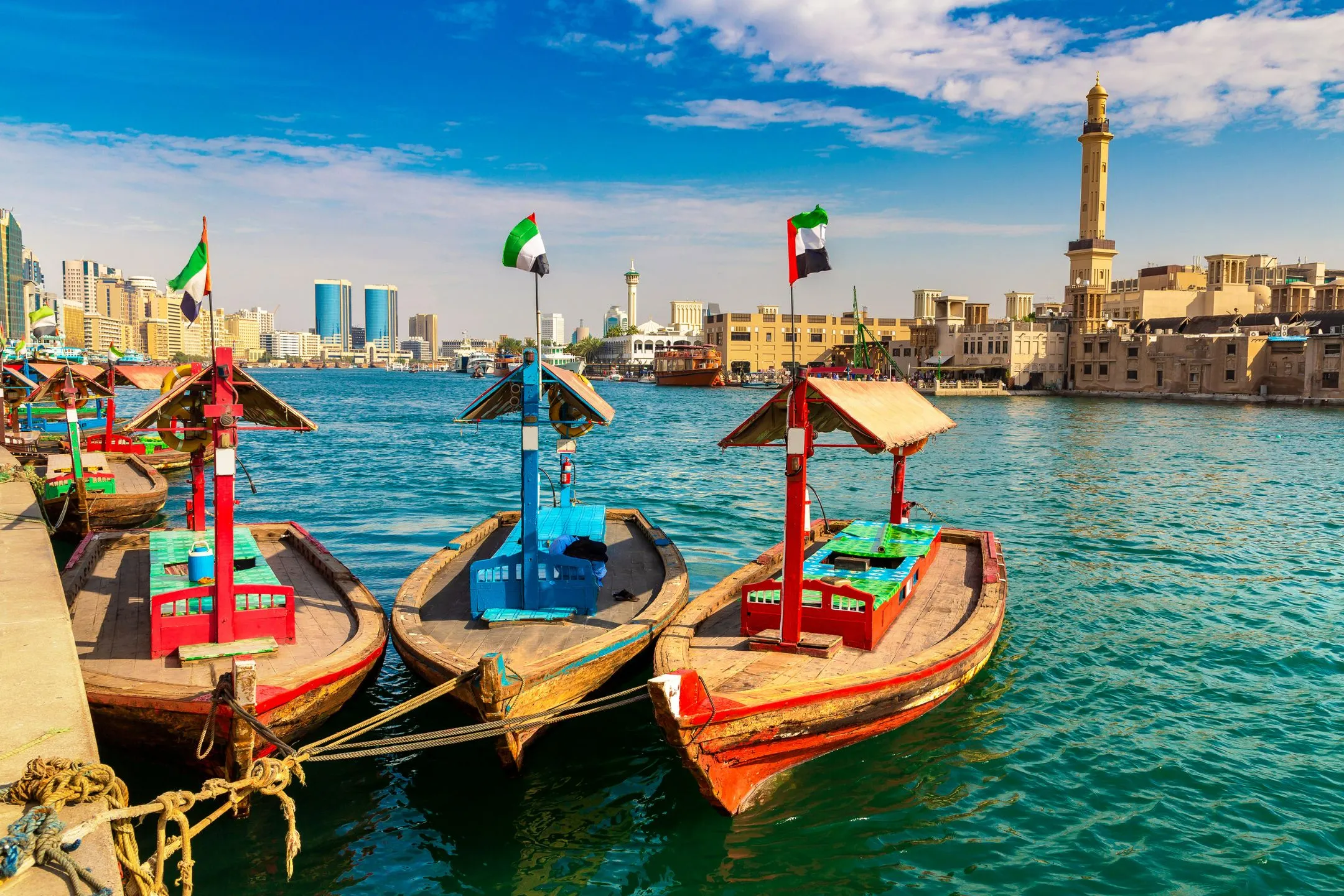
The desert around Dubai is more than a dramatic backdrop for photos — it’s part of the region’s identity, woven into stories of resilience, hospitality, and adaptation in a demanding environment.
By visiting respectfully, supporting operators who care for the landscape, and listening to the people who call this region home, you become part of a longer story that stretches from camel caravans to 4x4 tracks and, hopefully, toward an even more sustainable future for Desert Safari Dubai.
Table of Contents
The desert before the city
Long before glass towers rose along Sheikh Zayed Road, this region was an open tapestry of sand, scattered oases, and low desert shrubs. Temperatures were harsh, rain was rare, and survival depended on deep, practical knowledge of every dune and star.
For centuries, small communities moved with the seasons, following pasture for their animals and trading along caravan routes that threaded across the Gulf. The desert was not a blank space, but a lived‑in landscape filled with stories, tracks, and unwritten rules of hospitality.
Bedouin life and camel caravans
Bedouin families once relied on camels as lifelines: for transport, milk, and companionship in a landscape where distances were measured in days, not kilometers. Caravans crossed between inland settlements and coastal markets, carrying dates, spices, and woven goods.
Life followed the rhythms of sunrise and stars. Tents were simple but ingenious, made from goat hair that repelled rain and allowed breezes to pass. Around the fire, stories and poetry flowed — many of the values visitors hear about today, like generosity to guests and respect for the desert, grew directly from these lived experiences.
From pearl diving to oil and tourism
In the early 20th century, the region’s economy revolved around pearl diving, small‑scale trade, and subsistence herding. When cultured pearls and global changes disrupted the old patterns, communities faced a challenging transition.
The discovery of oil and the careful development of trade and aviation transformed Dubai’s skyline — and its relationship with the desert. What had once been a backdrop to daily survival slowly became a cherished escape from city life and, later, a highlight for visitors curious about what lies beyond the skyscrapers.
How modern desert safaris began
The first organized desert excursions in Dubai were modest affairs: a few 4x4s heading out for picnics, gentle drives, and simple sunsets on the dunes. As tourism grew, so did demand for guided trips that combined off‑road excitement with glimpses into Bedouin traditions.
Tour operators experimented with dune routes, safety standards, and camp setups. Over time, dune bashing became an art in itself — balancing thrill with control — and camps evolved into spaces where guests could taste Emirati‑inspired dishes, see traditional dances, and ride camels before returning to the city lights.
Camps, cuisine & cultural shows
Today’s desert camps are purpose‑built to welcome visitors while echoing elements of Bedouin hospitality. Low cushions and carpets, lantern‑lit walkways, and open‑air stages create a warm, informal atmosphere where strangers share long tables and stories.
Buffets often feature grilled meats, rice dishes, salads, and sweets inspired by regional flavors. Between courses, guests may watch traditional dance performances, falcon displays, or short storytelling moments about desert life — a blend of entertainment and cultural snapshots shaped for modern audiences.
Off‑road driving, quads & sand sports
Dune bashing and quad biking are the adrenaline‑rich side of Desert Safari Dubai. Behind each sweeping curve and sudden drop is a driver trained to read the sand, judge safe speeds, and keep vehicles balanced as they crest the ridges.
Alongside motorized thrills, gentler sand sports have emerged. Sandboarding lets visitors glide down slopes at their own pace, while fat‑tyre bikes or guided desert walks offer quieter ways to connect with the landscape. Together, they turn the dunes into a playground where safety briefings and responsible guiding are as important as the rush itself.
Wildlife, conservation & protected areas
Beneath the surface of the sand, the desert is alive. The Dubai desert is home to creatures such as the Arabian oryx, gazelles, foxes, and many bird species that have adapted to scarce water and extreme temperatures.
To protect this fragile environment, areas like the Dubai Desert Conservation Reserve limit vehicle routes, manage visitor numbers, and support reintroduction programs for threatened wildlife. Many eco‑focused safaris now emphasize quiet observation, nature drives, and education about how tourism can support long‑term conservation rather than strain it.
Safety, etiquette & respecting the desert
The desert is beautiful, but it demands respect. Professional operators maintain vehicles, train drivers, and monitor weather to avoid storms or dangerous heat. Guests are briefed on seatbelts, staying hydrated, and when to sit out an activity if they feel unwell.
Respect also extends to culture and environment: dressing modestly, asking before taking photos of people, keeping noise reasonable at night, and leaving no rubbish behind. A thoughtful visitor experiences the desert fully, then leaves it as untouched as possible for the next traveler — and for the wildlife that calls it home.
Popular routes: Lahbab, Al Marmoom & beyond
Many desert safaris head toward Lahbab, known for its striking red dunes and sweeping views, or to Al Marmoom, where gentler landscapes and wildlife drives are possible. Each area has its own character, from steep slopes built for high‑energy dune bashing to open plains better suited to camel treks and nature watching.
Some premium tours venture deeper into conservation areas with strict rules on where vehicles can drive. Others focus on easy access and shorter travel from the city. Understanding where your tour goes — and why — can help you choose the style of landscape and atmosphere that appeals most to you.
Tickets, operators & choosing a tour
With so many tour companies advertising desert safaris, it’s worth taking a little time to compare. Look for clear itineraries, safety information, photos of real vehicles and camps, and up‑to‑date guest reviews that mention punctuality, driving quality, and food.
Consider what matters most to you: small groups or budget prices, intense dune bashing or gentle drives, quad bikes or quieter wildlife spotting. Booking through reputable platforms or directly with established operators gives you more confidence that what’s promised matches what you’ll actually experience.
Sustainability, authenticity & the future
As Desert Safari Dubai has grown in popularity, questions of sustainability and authenticity have become more important. Responsible operators limit off‑track driving, reduce waste, and design camps with lower light and noise pollution so the desert night still feels dark and peaceful.
Some tours now emphasize storytelling from Emirati hosts, traditional crafts, and nature‑based experiences over purely staged entertainment. As visitors seek experiences that feel more genuine and less crowded, the future of the safari lies in balancing comfort, excitement, cultural respect, and environmental care.
Overnight safaris & stargazing
For those who want to go beyond a single evening, overnight safaris offer a deeper connection to the desert. After other guests depart, a quiet settles over the camp, and the sky fills with stars hidden behind city lights back in Dubai.
Simple tents or comfortable glamping setups provide a cozy place to sleep, often with sunrise coffee or tea before a gentle camel ride or nature walk. Waking up to cool morning air, soft light, and near‑silence is one of the most memorable ways to experience the desert’s softer side.
Why the Dubai desert matters
The desert around Dubai is more than a dramatic backdrop for photos — it’s part of the region’s identity, woven into stories of resilience, hospitality, and adaptation in a demanding environment.
By visiting respectfully, supporting operators who care for the landscape, and listening to the people who call this region home, you become part of a longer story that stretches from camel caravans to 4x4 tracks and, hopefully, toward an even more sustainable future for Desert Safari Dubai.